Comparison: Classic 3-Reel Slots vs. Modern Video Slots

Introduction: The Battle for the Casino Floor
Walk onto any casino floor—land-based or virtual—and you’ll witness a stark contrast in design philosophy. On one side, you have the stoic, minimalist presence of the classic 3-reel slots, machines that reek of nostalgia, chrome, and the unmistakable clang of an old-school jackpot. They demand little, offering only simple bars, sevens, and cherries. On the other, the modern video slots scream for attention: high-definition graphics, cinematic soundtracks, five or more reels, hundreds of ways to win, and bonus rounds so complex they look like a separate video game.
The gambling world has fundamentally evolved from the mechanical “One-Armed Bandit” invented by Charles Fey in the late 19th century to the feature-packed, Random Number Generator (RNG) driven video spectacles of today. But for the serious gambler, the question isn’t about graphics; it’s about mechanics, volatility, and value. As someone who has spent more hours spinning these reels than I care to admit, I can tell you that understanding the difference between a classic 3-reel game and a modern 5-reel video slot is fundamental to proper bankroll management and defining your session goal. It’s the difference between a quick, steady burn and a high-variance explosion.
This deep dive will compare these two genres across the metrics that truly matter: RTP, volatility, jackpot structure, and gameplay style, giving you the seasoned insight you need to choose the machine that aligns with your gambling strategy.
The Classic 3-Reel Slot: The Purist’s Game
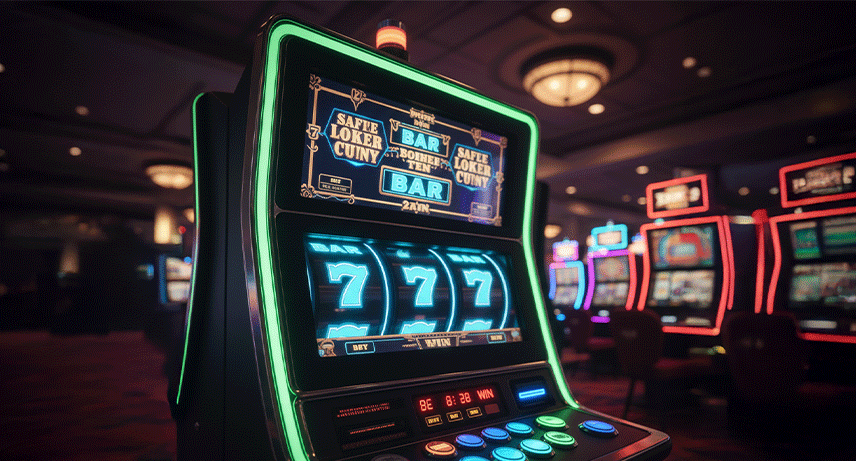
The classic 3-reel slot is the grandfather of the casino. Typically featuring one, three, or five paylines at most, its appeal lies in its unadulterated simplicity. When you hit a win, it’s instant, loud, and unmistakable—three matching symbols lined up.
The Mathematics of Transparency
The key characteristic of the classic slot, particularly in the land-based setting, is its relatively low-to-medium volatility and a clearly defined paytable. While the maximum jackpot is often smaller than the progressive behemoths of modern slots, the game pays out smaller wins more frequently. This is crucial for bankroll longevity.
A three-reel machine usually has a much simpler math model. While the RTP (Return to Player) can be similar to modern video slots (often in the 94-96% range), the variance is distributed differently. Wins are more frequent but smaller, meaning you get a better time-on-device for your money. You don’t have to wait 300 spins for a Free Spins bonus; you’re grinding out wins spin-by-spin.
As I always say at the slot machine, “On a classic slot, you’re not waiting for a jackpot, you’re looking for a steady stream of coins to keep your seat warm.”
Jackpot Structure and the Max Bet Imperative
One of the most vital strategies specific to 3-reel slots is the requirement to bet the maximum coins. On many classic machines, the highest payout (the jackpot) is disproportionately larger when you bet three coins versus two or one. For instance, three Sevens might pay 1,000 coins for a 1-coin bet, 2,000 for a 2-coin bet, but jump to 10,000 coins for a 3-coin max bet.
This is a structural trap for the uninformed player. By failing to bet max, you are playing at a mathematically worse disadvantage—the actual RTP percentage is often lower unless you play the max bet, as the massive jackpot contributes heavily to the machine’s overall RTP.
Real-World Example: I once watched a newcomer hit the three jackpot symbols on a Triple Diamond machine while only betting one coin. The payout was 1,200 credits. Had they bet the max three coins, that win would have been 10,000 credits. That’s a $8,800 mistake at a dollar denomination.
Disadvantages: The Grind and Feature Barrenness
The trade-off for simplicity is a severe lack of features. There are no cascading reels, no walking wilds, and certainly no second-screen bonus games. For many modern players, the constant repetition of the 3-reel action can feel like a grind, lacking the immersive engagement that modern gaming provides.
Modern Video Slots: The Cinematic Experience
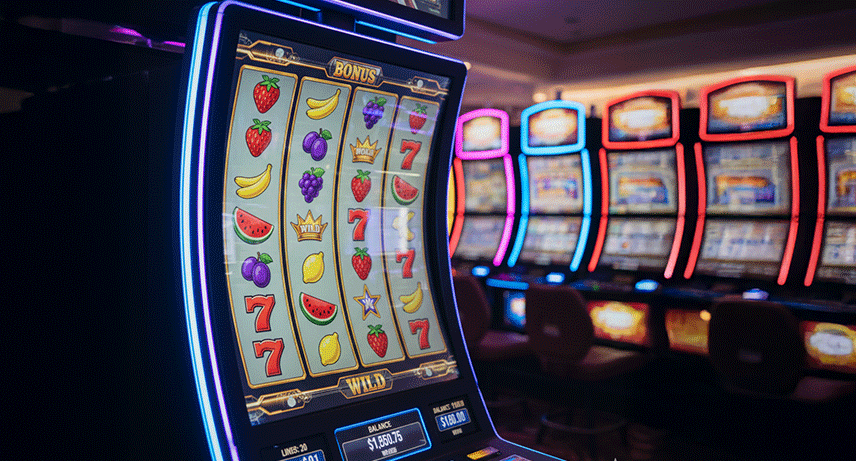
The modern video slot, typically featuring five reels or more, often runs on proprietary reel mechanics like Megaways, which can offer hundreds of thousands of ways to win. They are essentially elaborate video games, complete with rich backstories, branded intellectual property, and stunning 3D animation.
High Volatility and the Bonus Hunt
The defining characteristic of almost all popular modern video slots is High Volatility. Unlike the classic 3-reel format that distributes wins more evenly, modern slots are programmed to concentrate the majority of their RTP into one place: the Free Spins Bonus Round.
This shift in mechanics demands a completely different strategy. You should expect long “dry spells” where your bankroll steadily diminishes. You are playing not for the base game payouts, but for the trigger—the moment you land three scatters and enter the high-multiplier, high-payout bonus feature. The variance is extreme; a 100x win is commonplace, but the potential for a 5,000x or 10,000x jackpot is what justifies the risk.
Paylines, Ways-to-Win, and Complex Betting
Modern slots replace the simple, linear paylines with complex “Ways-to-Win” structures. Instead of betting on a specific line, you often pay a flat fee (e.g., 20 or 50 credits) to cover all possible combinations. This eliminates the need to bet max to unlock the highest RTP, as the payout multiplier is consistent regardless of your stake (unlike the classic slots).
However, the complexity is a double-edged sword. With features like Sticky Wilds, Cascading Reels, and Re-Spins, the mathematical model becomes opaque. It is harder to calculate your true odds on the fly, forcing the gambler to rely on the published RTP and volatility rating provided by the developer.
One seasoned gambler once told me, “Playing a modern slot is like buying a lottery ticket every spin. You pay the price for the chance at the big feature, but you better be prepared for a whole lot of blanks.”
Progressive Jackpots: The Life-Changer
Modern slots are the engine of the Wide-Area Progressive Jackpot. Games like Mega Moolah or Mega Jackpot are networked across entire casinos or, in the online world, across multiple gaming sites. This pooling of bets is what allows the jackpot to balloon into the multi-million dollar range, something mechanically impossible on a standalone 3-reel machine. If your goal is to hit a truly life-altering score, a modern progressive video slot is the only ticket. However, remember that the high RTP contributed to the jackpot is only paid out to the one player who hits it, making the overall RTP for everyone else lower during the non-jackpot grind.
The Critical Comparison: A Strategic View
| Feature | Classic 3-Reel Slots | Modern Video Slots |
| Number of Reels/Lines | 3 Reels, 1-5 Paylines | 5+ Reels, 20+ Lines, 243+ Ways-to-Win |
| Volatility | Low to Medium | Medium to High/Very High |
| Core Goal | Grind out small, frequent wins; hit proportional jackpot. | Survive the base game; Trigger the Bonus Round for massive multipliers. |
| Jackpot Type | Fixed or Local Progressive (Smaller) | Wide-Area Progressive (Multi-Million) |
| RTP Strategy | Often requires Max Bet to unlock full RTP/Jackpot value. | RTP is generally consistent across all bet levels. |
| Player Type | The purist, the bankroll preserver, the session extender. | The thrill-seeker, the high-variance chaser, the bonus hunter. |
Practical Advice, Risk Warnings, and Best Practices
Choosing between these two genres is a matter of preference and bankroll tolerance.
-
If you have a small bankroll and want a long play session: Choose a classic 3-reel slot. Its low volatility will give you more spins and a clearer idea of your session’s trajectory. But remember the Max Bet rule! Never play less than the max number of coins on a classic machine with a disproportionate jackpot.
-
If you are chasing the big score: You must play modern video slots, especially the high-variance ones with desirable bonus features. However, recognize the risk. You need a much larger bankroll cushion to weather the inevitable dry spells.
-
Risk Warning: The immersion and complexity of modern video slots, with their fast animations and multi-line payouts, can create a deceptive sense of winning. A spin showing fireworks might pay less than your total bet. Always check your credit meter, not just the visual spectacle. The simplicity of the 3-reel game, where a loss is a loss and a win is immediately clear, can sometimes be safer for maintaining discipline.
Conclusion: Knowing Your Game is Knowing Your Edge
The evolution from the mechanical 3-reel slot to the digital video slot is a journey from simplicity to complexity, and from low variance to high-variance thrill. The classic 3-reel slot remains the dependable workhorse—honest, straightforward, and excellent for bankroll preservation, provided you always play the max coin bet. The modern video slot is the adrenaline injection, offering the potential for explosive payouts concentrated into its bonus mechanics, but requiring patience and a deep bankroll to absorb the risk.
Both genres share the same fundamental RNG-driven core and the same house edge dictated by the RTP. Your true edge in this comparison comes not from trying to beat the math, but from understanding the math. Know your volatility, respect your bankroll, and choose the machine that matches your goal for that session. Whether you prefer the classic clink, clink, clink of the Liberty Bell or the booming cinematic soundtrack of a Megaways feature, a knowledgeable gambler always plays smarter, not harder.