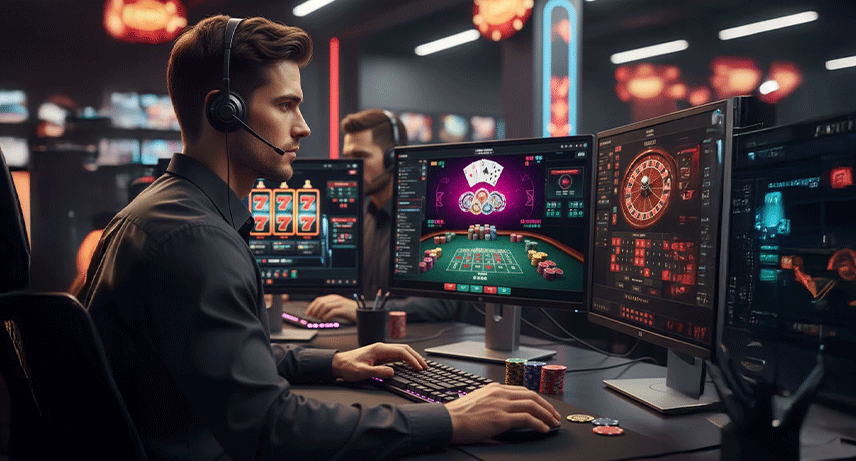
Guide: Protecting Yourself from Problem Gambling: Resources and Tools


If you’ve spent years around casinos—both the brick-and-mortar joints where chips clack across felt and the online platforms where wins and losses flash in seconds—you learn something important: the line between recreational gambling and harmful gambling is thinner than most players realize. I’ve met professionals, casual weekend bettors, high rollers, and rookies just dipping their toes in. And if there’s one universal truth, it’s this: nobody is immune to the risks of problem gambling—not me, not you, not the sharpest card counter in the room.
In this guide, I’ll walk you through how to protect yourself from problem gambling, using practical tools, real-world examples, and a grounded, experience-based perspective. This is not a lecture—it’s a roadmap. A survival manual. A gambler’s honest conversation with another gambler.
As I always say at the blackjack table:
“You can’t control the cards, but you can control the player holding them.”
Understanding the Warning Signs of Problem Gambling
Before you even touch a betting slip or load funds into an online casino, you need to know the early signs. Over decades around gamblers of every kind, I’ve seen the same patterns again and again. Players who fall into trouble rarely start with big mistakes—they start with little losses, small excuses, and quiet changes in behavior.
Here are the real-world red flags—presented in plain, honest language:
-
You gamble with money meant for bills or savings.
-
You chase losses, telling yourself you’ll “win it back next time.”
-
You hide your gambling spending from family or friends.
-
You find yourself gambling when you’re stressed, sad, or bored.
-
You feel restless, irritated, or anxious when you’re not gambling.
-
You spend more time gambling than intended, even after promising yourself to stop.
One seasoned gambler once told me, “The moment your bankroll starts controlling you instead of the other way around, you’re already in trouble.” He was right—trouble rarely announces itself loudly.
Recognizing these signs early is the first protective step.
Why Gambling Can Become a Problem: The Psychological Mechanics
To protect yourself, you need to understand the machinery behind the games. Casinos—especially online ones—are designed with psychological hooks.
The Near-Miss Effect
Slot machines and digital games frequently show outcomes that almost win. Studies show near-misses activate the same reward pathways as real wins. Your brain literally thinks you’re “getting close,” even when you’re not.
Intermittent Rewards
Random rewards—like a surprise big win—are the strongest reinforcement mechanism known in behavioral psychology. Rats in lab experiments respond to randomness with more persistence than steady rewards, and humans aren’t much different.
Flow State
Fast-paced games like roulette or online slots make it easy to lose track of time. Casinos dim lights, remove clocks, and use ambient sounds to encourage this feeling of being “in the zone.”
Understanding these mechanics doesn’t make you immune, but it gives you power. When you know how a system tries to influence you, you gain the ability to resist it.
Tools and Resources to Protect Yourself from Problem Gambling
Let’s talk actionable protection—tools you can actually use starting today.
1. Self-Assessment Tests
Before anything else, check your risk level. Many responsible gaming agencies offer completely confidential, scientifically backed self-tests such as:
-
The Problem Gambling Severity Index (PGSI)
-
The South Oaks Gambling Screen (SOGS)
-
DSM-5 gambling disorder criteria
These tools don’t diagnose you—they give you insight. And insight is the first step to control.
I always tell players, “If you’re afraid to take the test, that’s your answer already.”
2. Bankroll Management Tools and Budgeting Apps
Serious gamblers—those who stay in control—treat gambling money like entertainment money. Once it’s gone, the session is over.
Use tools like:
-
Prepaid cards
-
Separate gambling accounts
-
Expense-tracking apps (Mint, PocketGuard, Goodbudget)
-
Smartphone limits and alerts
These help you avoid accidental overspending and track patterns.
A rule I’ve followed for 20+ years:
Your gambling bankroll should be money you can set on fire without affecting your life.
If losing it would shake your finances, relationships, or emotions, it’s not bankroll—it’s danger.
3. Casino-Provided Protection Tools
Most licensed online casinos offer built-in responsible gambling features. These are not gimmicks—they’re actually helpful when used correctly.
Deposit Limits
Set daily, weekly, or monthly maximums. Once you hit the cap, you physically can’t deposit more.
Loss Limits
Stops your session once you hit a certain loss amount.
Session Time Limits
A reminder to log out when you’ve played too long.
Reality Checks
Pop-up periodic updates showing time played, money spent, and current balance.
Self-Exclusion Programs
These allow you to block yourself from gambling sites for a set duration—from 24 hours to several years.
I’ve known players who said self-exclusion saved them thousands—sometimes tens of thousands. One of them told me, “It felt embarrassing, but it was the smartest gambling decision I ever made.”
4. Blocking Software and Filters
If you feel strong urges or have difficulty resisting, consider technology-based barriers.
Tools include:
-
Gamban
Blocks access to thousands of gambling sites and apps. -
BetBlocker
Offers free self-exclusion across multiple platforms. -
Net Nanny / Qustodio
General internet filters that can restrict gambling-related content.
These tools aren’t about weakness—they’re about removing temptation long enough to regain control.
5. Counseling and Support Resources
If you feel gambling starting to impact your life, professional support is both confidential and effective. Many organizations don’t require you to label yourself an addict—they simply help you regain control.
Top resources include:
-
Gamblers Anonymous (GA) – Global support meetings
-
National Council on Problem Gambling (NCPG)
-
GamCare (UK)
-
Your local responsible gambling helplines
-
Licensed therapists specializing in addiction or cognitive behavioral therapy
Counseling isn’t just for severe cases. Think of it like visiting a mechanic before your engine breaks down.
Practical Strategies to Stay in Control While Gambling
Tools help, but mindset matters more. After decades of play, here are the principles I’ve seen work consistently.
Set a Time Limit and Stick to It
Whether online or in a casino, time slows down. You must consciously define the end.
Gamble Only When You’re Clear-Headed
Never gamble when emotional, stressed, angry, tired, or intoxicated.
Emotions and gambling mix about as well as gasoline and open flame.
Avoid Chasing Losses
If you lose your bankroll, the session is over—period.
Chasing losses is the fastest path to financial and emotional fallout.
Take Frequent Breaks
Every hour, step away. Get water, walk outside, touch grass—whatever it takes to reset.
Tell Someone You Trust
Accountability works. When someone else knows your limits, you’re more likely to stay within them.
Why Protecting Yourself Matters — The Real-World Impact
Too many players underestimate the slippery slope. Problem gambling doesn’t start with losing your house—it starts with skipping a bill “just this once.” It starts with hiding small losses. It starts with emotional attachment to the games.
Over the years, I’ve watched talented, intelligent players unravel because they thought they were immune. And I’ve watched them rebuild when they finally took responsibility and used the tools available.
Remember:
Gambling should never feel like survival. It should feel like entertainment. When it stops being fun, it’s already a problem.
Final Thoughts: Taking Control Before Gambling Takes Control of You
Protecting yourself from problem gambling isn’t about weakness. It’s about strength, discipline, and self-awareness—traits every smart gambler needs.
Whether you play blackjack on Friday nights, spin online slots during lunch breaks, or bet on cricket matches with friends, you should always prioritize your wellbeing above the thrill of the gamble.
As I always say:
“You can always come back to the casino later, but you can’t come back from losing control.”
Use the tools. Use the limits. Know the signs. Seek support when you need it. Gambling is entertainment—keep it that way.